At an AfroFrequency evening in Nairobi, technologists, researchers and creatives argued that the real contest over AI is about who shapes the reality Africans live in, and who profits from it.
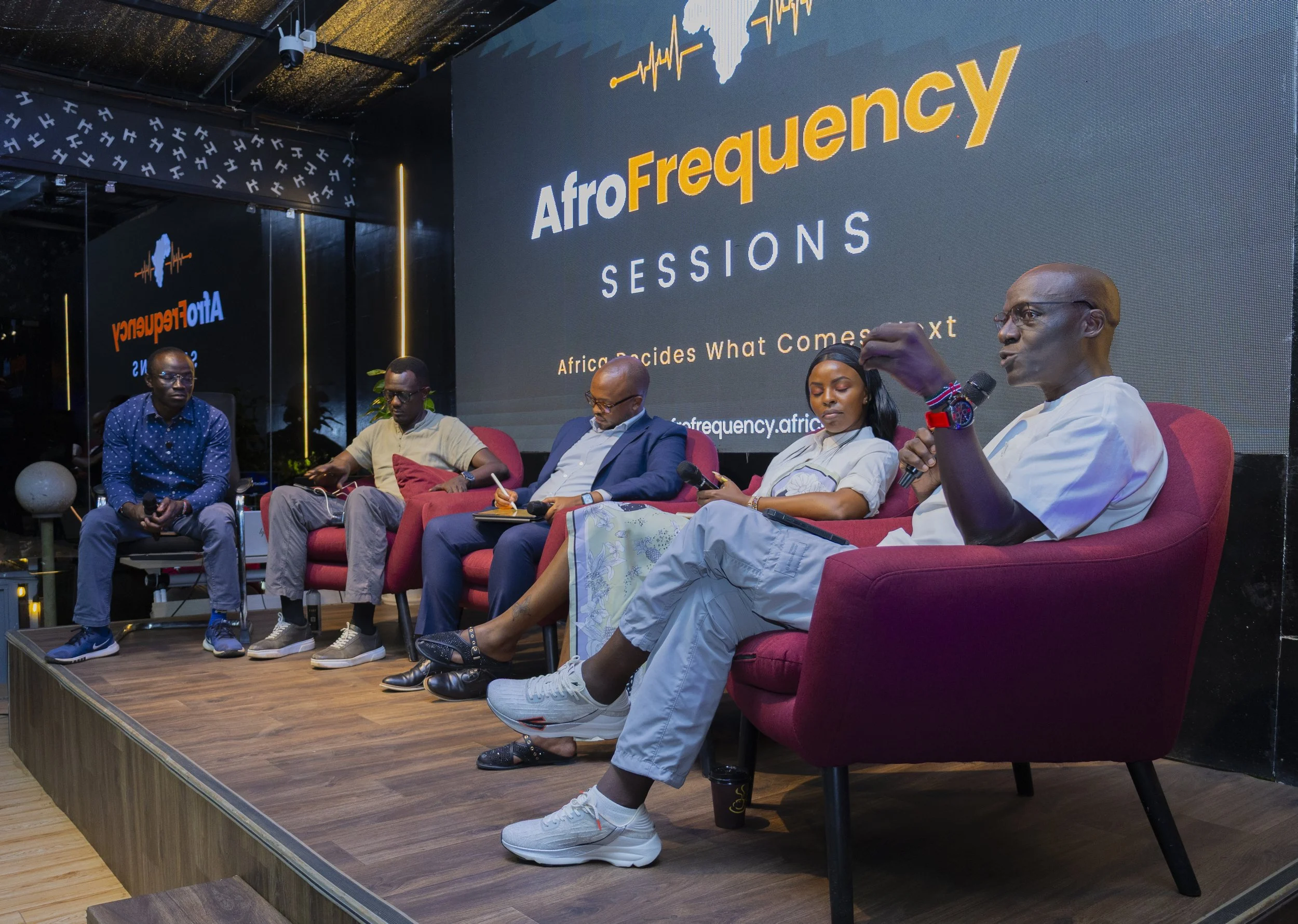
NAIROBI –October 2026 The opening question sounded almost innocent. Who do you trust online? Yet by the end of an evening hosted by AfroFrequency in Nairobi on October 23, the panel had turned it into something sharper. Algorithms now stand between Africans and much of what they read, watch and believe, so the deeper question is who, or what, decides the reality people are asked to trust.
Philip Thigo, Kenya's special envoy on technology, framed it in historical terms. The post-truth era of the early 2010s gave way to mass access to AI through chat platforms around 2021 and 2022, and to recommendation systems that reward sentiment rather than fact. He noted that two friends who talk about different things soon live in entirely different feeds. Without a shared sense of what is real, trust becomes hard work.
Mark Kaigwa, founder of the research and marketing agency Nendo, brought evidence. He said his team asked volunteers to screen record their timelines and found that people viewing the same post saw its comments ranked differently. With Kenya
heading towards the general election of August 2027, he warned that short vertical video will shape politics as never before, because most citizens now meet politicians through clips whose captions can be rewritten to praise or attack. He also noted that the country's most visited news site, Tuko, is owned by a Ukrainian company, a reminder that ownership of the feed is rarely visible on the screen.
Tonee Ndung’u, a technologist and creator who had launched an app the previous day, saw less a crisis of trust than a call for realism. "I trust capitalism to always be greedy," he said, adding that machines will always try to exploit human gullibility. His advice was to use the platforms while keeping a safe distance from them.
Dannish Odongo, a data scientist with Ginger Africa, asked what any of this means for the many Africans who live in rural areas, far from Nairobi's technology circles. In much of Kenya, Odongo reminded the room, vernacular stations such as Ramogi FM and Kameme FM still carry more weight than any app.
Kaigwa answered with data, stating that Nendo's study of how Kenyans use AI, drawn from 1,200 people in 18 counties, found that career tasks such as job hunting top the list of things people trust AI with. Health and finance also feature prominently. One participant said AI had helped him catch a problem with a pharmacy prescription.
In terms of usage, Meta AI ranked second only to ChatGPT, largely because it arrived unbidden inside WhatsApp, Facebook and Instagram. ChatGPT, the study suggests, has become the Kiwi of AI, a brand name standing in for the whole category. Most striking was a man in Mombasa earning between Ksh40,000 and Ksh70,000 a month who wished AI would text him at random times, because his phone "gets dry" and he has no one to talk to.
Rural Africans, the panel agreed, are already inside the system whether they know it or not. Maurice Otieno, the AfroFrequency Chief Futures Architect, who moderated the session, cited Jacaranda Health, whose maternal health messages reach mothers by SMS in Swahili and other languages, with AI working behind the scenes. Thigo observed that the AI button on WhatsApp simply appeared on millions of phones without anyone choosing it.
For creatives, the stakes are cultural as much as economic. Otieno worried that local sounds could be imitated by models trained elsewhere, even as artists such as the rapper Octopizzo experiment openly with AI. Ndung’u predicted that musicians will survive by building paying communities and intimate, unrecorded live shows.
Kaigwa countered the gloom with Kenyan micro drama series, one available for Ksh10 a day, that employ real actors and crews to feed the appetite for short stories.
Local languages emerged as the next frontier. Ndung’u warned that a fluent AI rival to vernacular radio could soon speak to rural listeners on behalf of people with no stake in their communities, and urged Africans to build their own tools through companies you can walk into, rather than ones in San Francisco. Kaigwa pointed to open African language datasets that Kenyan developers are already turning into working prototypes.
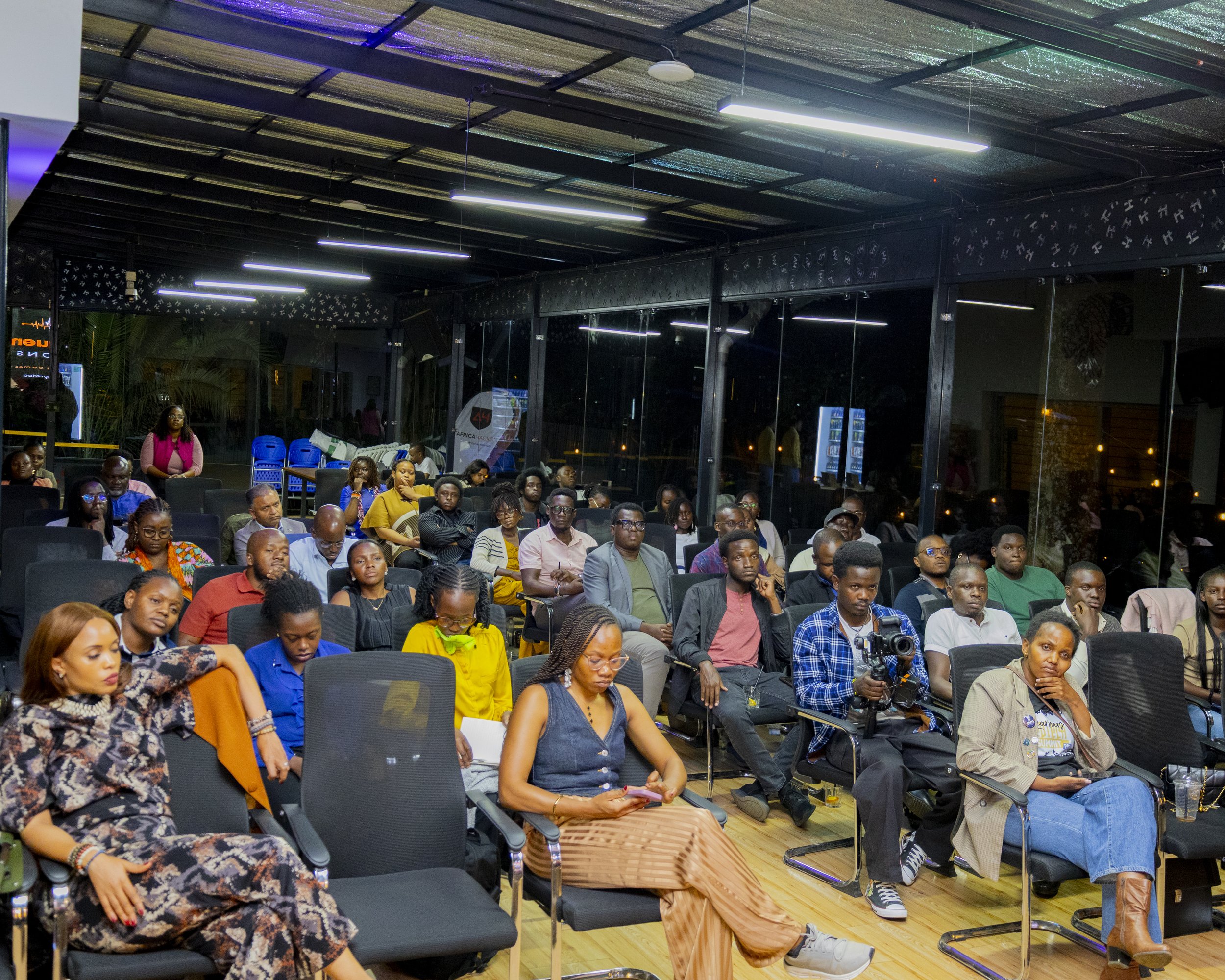
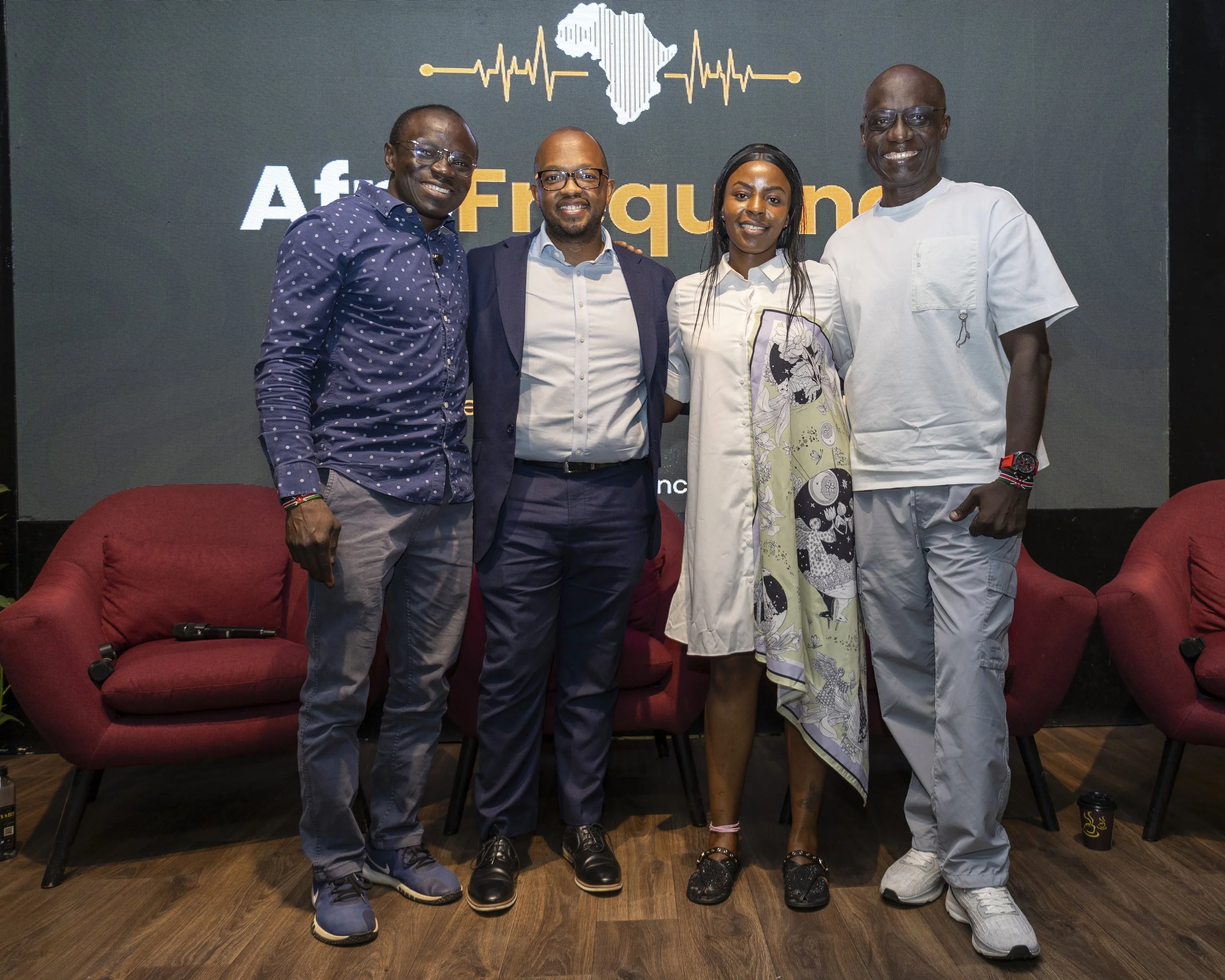
The discussion took place during the first AfroFrequency Session in Nairobi, held at Hack. An AfroFreq Session is a multidisciplinary conversation bringing artists, technologists, philosophers, journalists and other voices together to explore how emerging technologies are shaping Africa and how Africans can influence their future.
On regulation, Thigo argued that rules aimed at finished products will always arrive too late. "You cannot regulate AI at the product level," he said, calling instead for oversight of the entire value chain, beginning with the data. Regulators, he argued, must work on three fronts at once, ensuring that everyone can use the technology, curbing its misuse, and preparing for unintended harm such as lost jobs. People, he added, will be replaced less by AI than by those who use it well.
Another panellist offered a practical defense. Old tricks for spotting fakes, such as counting fingers, no longer work as the models improve. The better filter is the professional WhatsApp group, where trusted colleagues test suspicious content before it spreads.
The evening offered no single verdict, and that was its value. Africans are not waiting to meet AI. They already live with it through their feeds, their phones and, increasingly, their languages. What remains open is whether the continent will help write the rules of that encounter, or simply be written into them.